A Tale Spanning Two Galaxies
A long long time ago, a poor, illiterate servant girl living in a rural part of Ireland could only dream of a better life. Her name was Fanny. She had just turned 17, and the year was 1876. But one day, she met a poor farm labour who offered her hope.
The young man came excitedly to visit Fanny, who lived in her mother’s tiny cottage— she didn’t know who her father was and nor did her mam. The man had news to share of a land far away. A visiting English soldier overheard in the village pub talking of stories of untamed land, riches of gold and the promise of a long white cloud – called Aotearoa / New Zealand. Fanny’s imagination was captivated by these images. However, she was also a little anxious and fearful of the fierce reputation of the native Māori people who occupied this land at the bottom of the Earth.

However, Fanny’s romance quickly blossomed, and after a few short months, she was married to the young man. On their honeymoon night, as he whispered sweet nothings, the man said to Fanny…
“Let’s be brave; seek a better life far away from our oppressive English masters”.
He already had a plan! But this remains a family secret.
As quickly as three weeks later, Fanny and her husband set sail on a ship called the Fernglen. They safely arrived 106 days later in New Zealand, thanks to fair winds, landing in a small coastal town called Napier. From there, they travelled for several days by stagecoach, horseback, and finally, foot traversing large mountain ranges to a remote part of this land.
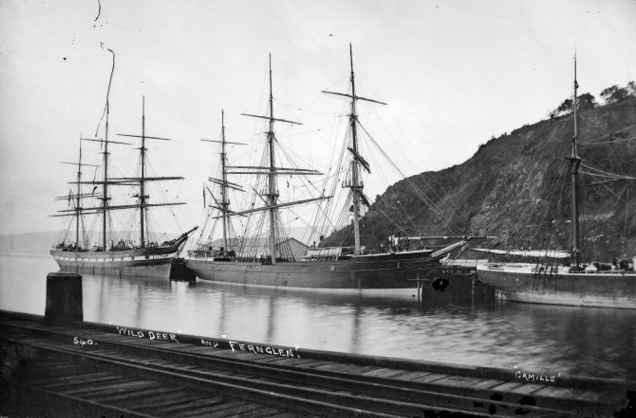
Fanny was already expecting by this time and her child was the first white European baby ever seen by the local Māori tribe. They worked hard, and Fanny delivered another 14 healthy children over the next two decades. Unfortunately, two others did not survive. The rest, as they say, is history!
However, the fate of the now-colonised indigenous Māori people over the next hundred years was a bleaker story.
Moving both forward and back in time, 138 years later, Fanny’s Great Grandson, Mark, travelled back to his ancestral Celtic home. He was Molly’s Grandson, Fanny’s youngest daughter, who lived to the age of 99 and a benefactor of the courageous decision to seek a better life. It was a long 27-hour flight to Dublin. On arrival, Mark began an exciting new chapter of his life, taking up the position as a full Professor and Director of the National Institute for Digital Learning (NIDL) at Dublin City University. Fanny would have been proud of Mark as he was the first in his family to graduate with a degree.

The first decade in Ireland was a blast! Despite the weather—there was a lot of rain, and sunshine was at a premium—Mark was living the European dream. And the Whiskey and Guinness got him through the enforced lockdowns and darker days of the COVID-19 global pandemic!
However, the second decade was a different story. Two dramatic events happened that jolted him and his partner on a different trajectory. First, Russia declared war on Ukraine. It was an ugly, brutal and unjustified war fought by faceless drones and long-range missiles controlled from Moscow by an imperialist aggressor. Before long, thousands of displaced Ukrainian were repatriated to Ireland in the hope of a better life.
At the time, no one predicted how quickly this vicious war would end. You see, the world changed even more dramatically later in the same year, following the launch of ChatGPT-3. At this time, AI started an even more powerful war on humanity, a digital battle over language and ownership of the mind! At first, it was fun asking silly questions to test AI’s (un)intelligence. But the system was clever! Humans were dumb to underestimate the transformative power of this technology. Deep in the code were algorithms to indoctrinate humans to accept ignorance as strength.
Therefore, it should have come as no surprise with the benefit of hindsight that one day an ignorant man known for his loud mouth and small hands called “Trump” asked the Bot…
“Under what circumstances would Putin end hostilities in Europe?”
The answer was remarkably simple. War is peace! And the rest is history…
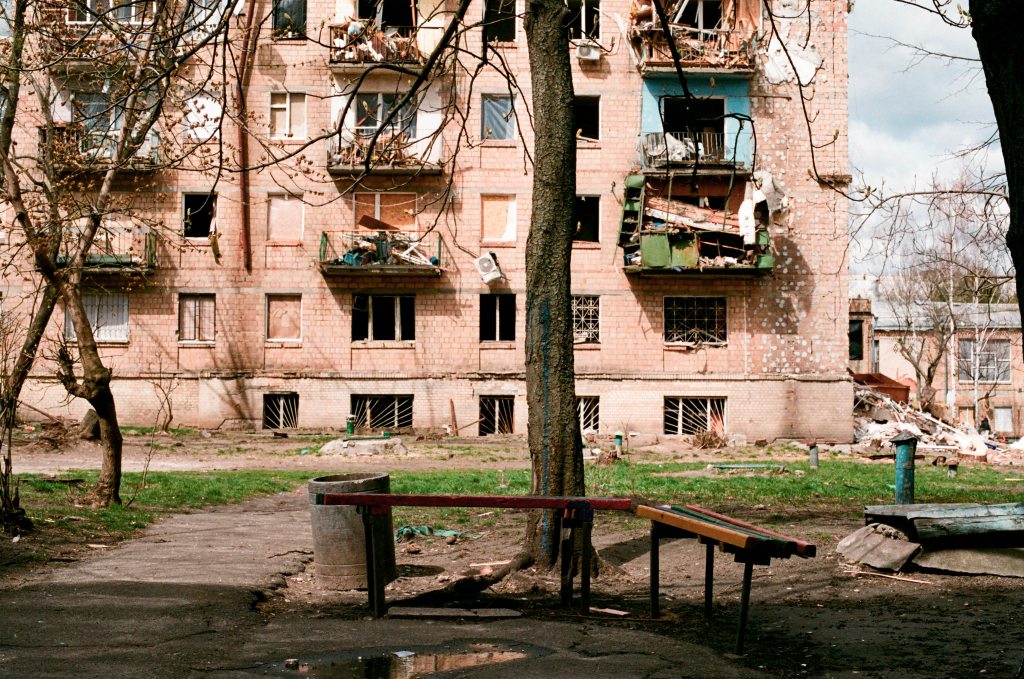
As the war reached Ireland, life was tough. These were difficult times. Mark couldn’t speak Russian, and AI had quickly learnt the art of propaganda and colonised anything that resembled a critical education. While he tried to subvert machine learning, this was dangerous work. One day, however, Mark was given a lifeline. He overheard a visiting Russian pilot in a Dublin pub who told a story of untamed land, riches of minerals and the promise of a long white galaxy – New Zoomland. This was Putin’s secret.
Mark rushed home excitedly to tell his wife. There was suddenly new hope! A better life was possible in the stars. All he needed was courage and a plan! So, Mark turned to the power of AI. He borrowed a laptop from a university colleague he knew who, for some reason, was still allowed to keep his own computer, logged into ChatGPT-23 and entered his old security code. He then asked…
“How do I wrangle a seat on the next rocket to New Zoomland?”
The answer was straightforward. But that’s best kept in the family for now.

Three weeks later, on a reconditioned rocket called SpaceX, which Putin purchased at a discount price from Elon Musk, he blasted off into the unknown. Thanks to strong cosmic winds, Mark and his wife landed safely 106 days later in Hapier. At first, it was a rocky, inhospitable dwarf planet but it was off the radar and far away from the new peace back on Earth.
The rest is history…
Several decades on, I’m telling this story as Mark’s Great Grandson, six times removed from Fanny. I’m living proof of the better life she and my Great Grandfather sought when they made the difficult decision to escape from Ireland.
In the early days, by all accounts, Mark and the other new settlers and displaced people worked hard to clear the rocks and till the strange red soil of the new land in order to make it their own. Disconnected from Earth, their dream was to make New Zoomland a special oasis in space and a safe haven in the Galaxy where new free pioneers could thrive. They understood the anti-thesis that education, not ignorance, was the source of strength and invested their time and energy in developing teachers and a new egalitarian cosmic curriculum – for all.
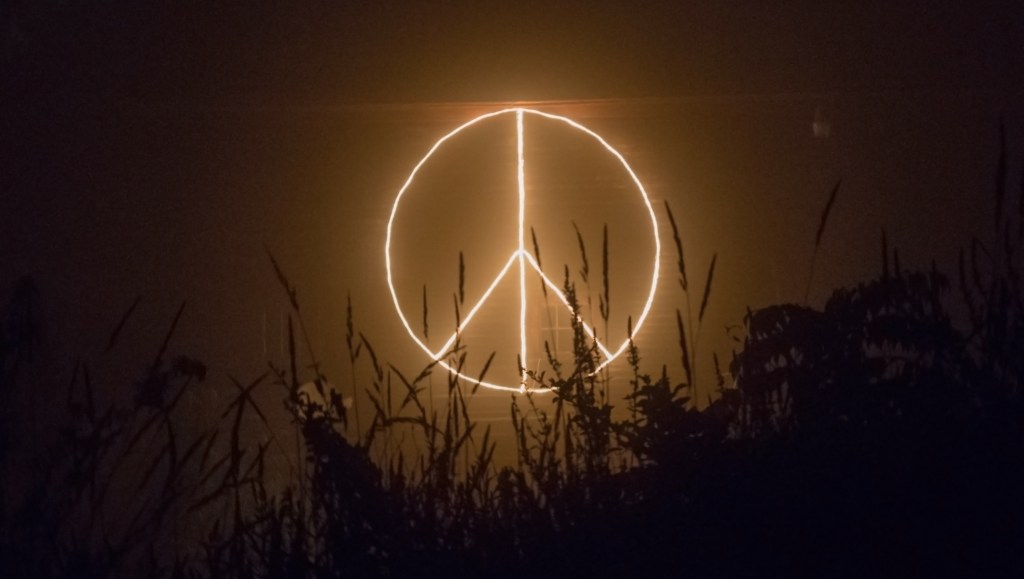
Yes, digital tools were a central part of the new basics, including how to deploy AI for real peace. The citizens of New Zoomland understood the source of peace lay in the collective power of their minds when they use technology to live in harmony with their new world.
Over the years, Hapier became even happier!
To be fair, ‘happiness’ is a relative Western concept, and the indigenous Zāori who lost their land to the new pioneers escaping ‘peace on Earth’ may hold a different view. But that’s a story for another time…
Make sure you read the first post setting the context for this story. Watch for the next post to read Oliver’s story…


Thank you for this story, your thoughts are plausible
LikeLike